
Discover Enchanted Sirens: Lore of Tidewoven Tales
- Coral and Cobwebs

- Dec 3, 2025
- 4 min read
Updated: Dec 4, 2025
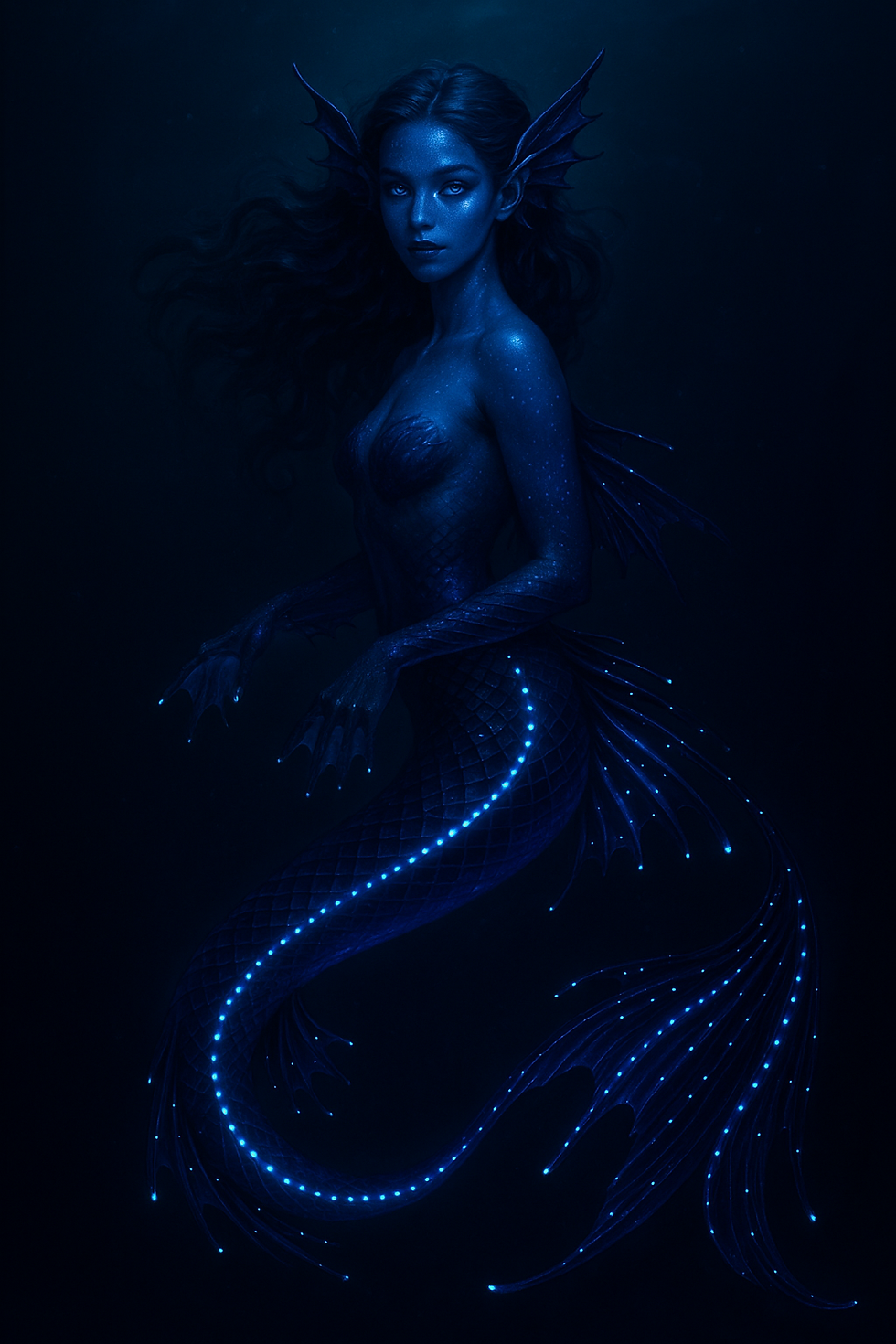
The ocean has long been a wellspring of mystery and allure, captivating the imagination of countless generations. Among its many wonders, the tales of sirens stand out—an enduring blend of enchantment, danger, and irresistible beauty. These mythical beings, often described in ancient lore as half-woman, half-fish or as sea-spirits whose voices could bend fate, have inspired stories, art, and song across cultures. In this blog post, we’ll explore the origins of siren mythology, the shifting interpretations found throughout history, and how these timeless legends ripple into the Tidewoven world of Coral & Cobwebs™.
The Origins of Siren Lore
The idea of sirens stretches deep into humanity’s earliest myths, long before they took on the forms familiar today. In ancient Greek mythology, the first sirens were not mermaids at all — they were bird-bodied women, perched on rugged cliff sides, whose haunting voices ensnared the minds of passing sailors. Over the centuries, their imagery slowly transformed into the more aquatic, mermaid-like beings common in later folklore. This evolution mirrors shifting cultural ideas about femininity, beauty, danger, and the mysteries of the sea.
Greek Mythology and the Sirens
In classical Greek stories, sirens dwelled on remote rocky islands, often associated with dangerous currents and treacherous waters. Their most iconic appearance occurs in Homer’s Odyssey, where the hero Odysseus — warned by the sorceress Circe — commands his crew to plug their ears with beeswax. He alone listens to their song, lashed to the mast to protect him from diving overboard in rapture. This moment captures the essence of the siren myth: irresistible temptation balanced by cunning and restraint.
Less commonly known is that Greek sirens were believed to possess knowledge of all things past, present, and future. Their song was said not only to entice but to reveal truths too powerful for mortals to bear — another reason sailors might not survive the encounter.
The Symbolism of Sirens
Sirens capture a rich spectrum of themes: temptation, forbidden knowledge, danger, longing, and the perilous edge between beauty and destruction. They represent the internal battles we face — desire versus discipline, curiosity versus self-preservation. Because of this, they appear in so many stories not merely as monsters, but as mirrors held up to human nature.
Their duality — breathtaking allure paired with mortal peril — has made them enduring symbols in literature, psychology, and art. The siren is not simply a beautiful creature; she embodies the emotional risks that accompany yearning itself.
Sirens in Literature and Art
Sirens have remained vivid muses across millennia, inspiring classical texts, medieval bestiaries, Renaissance paintings, and contemporary storytelling.
Classical Literature
Beyond the Odyssey, sirens appear in the works of writers such as:
Ovid, who described their tragic transformation from handmaidens of Persephone into bird-women after failing to protect her.
Apollonius of Rhodes, whose Argonautica includes an episode where the hero Orpheus drowns out their song with his lyre.
These depictions present sirens as deeply emotional beings — their songs not only seductive but laden with grief and longing.
Modern Interpretations
Modern authors often reshape sirens into multifaceted characters with agency and emotional depth. Examples include:
Hans Christian Andersen’s The Little Mermaid → a tale of sacrifice, identity, and desire.
Fantasy novels that reimagine sirens as guardians, environmental spirits, or misunderstood outcasts.
Contemporary fiction where sirens navigate themes of autonomy, trauma, and transformation.
The modern siren is no longer just a warning — she is a storyteller.
Sirens in Visual Art
From Renaissance symbolism to digital fantasy art, sirens are portrayed in countless ways:
ethereal mermaids glowing beneath moonlit waves
dangerous enchantresses wielding music like a weapon
mournful spirits caught between worlds
Each representation taps into the viewer’s imagination, blending attraction with unease — the timeless tension at the heart of the siren myth.
The Cultural Impact of Sirens
Water spirits resembling sirens appear in cultures worldwide. While names and traits differ, the themes of allure, danger, and transformation remain strikingly consistent.
Sirens in Folklore
Global myths include:
Rusalki (Slavic) — water nymphs or spirits linked to love, betrayal, and untimely death.
Selkies (Irish / Scottish) — seal-beings who shed their skins to become human.
Ningyo (Japanese) — mysterious fish-like beings believed to offer blessings or curses.
Yemọja / Mami Wata (West African & Caribbean) — powerful water spirits associated with beauty, prosperity, and the depths of the unknown.
These variations show a universal human fascination with the ocean and the beings imagined to inhabit its depths.
Sirens in Popular Culture
Sirens and mermaids appear everywhere — from fantasy novels to horror films to Disney animations. They may be charming, terrifying, whimsical, or ethereal, showcasing how adaptable the archetype is.
The Psychological Appeal of Sirens
The power of sirens is rooted in psychology as much as mythology.
In Jungian theory, sirens resonate with the archetype of the anima — the deep, often unconscious feminine principle within the psyche. This symbol speaks to our longings, fears, emotional depths, and creative impulses.
The Dual Nature of Desire
Sirens embody the conflict between yearning and consequence. Their song stands as a metaphor for:
the dreams we chase
the obsessions that grip us
the roads we know are dangerous but long to follow
This emotional tension is why sirens continue to fascinate culture after culture.
The Modern Siren: Empowerment and Agency
Contemporary portrayals reclaim the siren as a figure of strength, intelligence, and environmental guardianship. Today’s sirens are often depicted:
defending the ocean rather than luring sailors
preserving sacred waters
seeking autonomy and justice
embodying feminine power rather than being punished for it
These changes reflect shifting cultural values and a growing appreciation for stories told from new perspectives.
Conclusion: The Enduring Legacy of Sirens
Sirens remain some of the most captivating figures in mythology — beings shaped by beauty, danger, longing, and power. From their ancient origins to their modern reinventions, they embody the complexities of desire, the mystery of the deep, and the allure of the unknown.
Their stories linger because they sing to something ancient in us — the part that longs, the part that fears, and the part that is endlessly curious..

Comments